

Kidney Cancer Treatment
in Chennai
Expert diagnosis and robotic surgery for kidney cancer from small, kidney-sparing tumour removal to whole-kidney surgery on the da Vinci Xi, with less blood loss and a faster recovery than open surgery.
Understanding kidney cancer
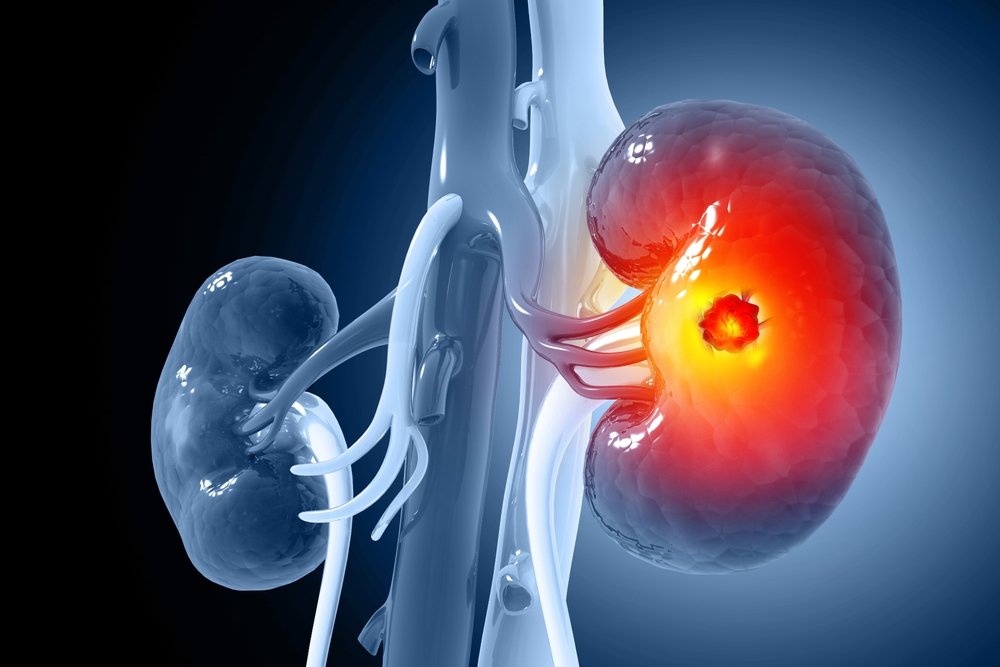
Kidney cancer is one of the more common urological cancers and when caught early, it is also one of the most treatable.
Most kidney cancers are renal cell carcinoma (RCC), which begins in the tiny filtering tubes of the kidney. It is most often diagnosed in adults in their 60s and 70s, and increasingly it is picked up early and by chance, when a scan is done for another reason.
The good news is that a tumour found while it is still confined to the kidney can very often be removed successfully — frequently while sparing much of the healthy kidney. Understanding the signs, risk factors and treatment options is the first step to a confident plan.
Symptoms of kidney cancer
Kidney cancer is often silent in its early stages. When symptoms do appear, they can include:
Blood in urine
Visible or microscopic blood (haematuria) is the most common warning sign.
Flank or back pain
A persistent dull ache or pain in the side or lower back.
A lump or mass
Systemic signs
Unexplained weight loss, tiredness, persistent low-grade fever or loss of appetite.
Often found by chance
Many kidney cancers cause no symptoms at all and are discovered incidentally on a scan performed for another reason. Because of this, any blood in the urine even once should always be investigated promptly.
What raises the risk?
Smoking
One of the strongest and most avoidable risk factors.
Obesity & hypertension
Excess weight and long-standing high blood pressure both raise risk.
Family history
Other factors
Long-term dialysis and some workplace chemical exposures.
How kidney cancer is diagnosed
Contrast CT scan
A solid mass that takes up contrast (enhances) is treated as kidney cancer. The scan also maps size, position, depth, and relation to vessels everything needed to plan kidney-sparing surgery. Complex cysts are graded (Bosniak) to decide between observation and treatment.
Ultrasound & MRI
Distinguishes solid masses from simple cysts and prompts definitive imaging when a solid or complex lesion is detected.
In selected cases
Reserved for cases where the result changes management: suspected lymphoma or infection, before ablation, or when surveillance of a small mass is under consideration. Most surgical candidates proceed based on imaging alone.
Staging
Determines whether the cancer is confined to the kidney or has spread.
How kidney cancer is treated
Treatment is tailored to the size, position and stage of the
tumour and, wherever the cancer allows, to preserving kidney function.
Systemic therapy
For: metastatic kidney cancer Conventional chemotherapy barely touches RCC but the last decade transformed advanced disease care.
• Immunotherapy combinations and targeted agents as first-line therapy
• Surgery still plays a role in selected metastatic cases
• Managed jointly with medical oncology in multidisciplinary discussion
• Follow-up after any kidney cancer treatment is structured and scheduled
Robotic Partial Nephrectomy
Guideline-preferred for most smaller tumours · kidney-sparing approach.
Only the tumour is excised, with a margin of healthy tissue, followed by kidney reconstruction performed through keyhole ports on the da Vinci Xi system. Its 3D magnification and wristed instruments facilitate precise excision and suturing within a limited clamp time.
- Cancer control comparable to removing the entire kidney.
- Preserve kidney function, protecting against future kidney disease.
- Small incisions, less pain, and usually requires 2–3 days of hospitalisation.
- Especially important for patients with a single kidney, bilateral tumours, or existing CKD
Robotic Radical Nephrectomy
For larger, central or complex tumours, minimally invasive removal of the whole kidney. For: larger , centrally placed or complex tumours
The entire kidney is removed when partial removal is not oncologically safe or technically feasible also performed through keyhole ports in suitable patients.
The standard curative operation for larger, confined tumours
• Life with one healthy kidney is normal and full
• Adrenal gland and lymph nodes addressed only when indicated
• Open surgery reserved for very large or complex tumours
Systemic therapy
For: small masses in selected patients
Guideline-approved alternatives when surgical risks surpass the threat of a small tumour.
Surveillance involves scheduled scans and treatment only if significant growth occurs.
- Suitable for elderly patients and those with serious comorbidities.
- Thermal ablation may be an option for selected small tumours following biopsy.
- Crossover to surgery remains available if the patient's condition changes.For: small masses in selected patients Guideline-approved alternatives when surgical risks surpass the threat of a small tumour. Surveillance involves scheduled scans and treatment only if significant growth occurs.
- Suitable for elderly patients and those with serious comorbidities.
- Thermal ablation may be an option for selected small tumours following biopsy.
- Crossover to surgery remains available if the patient's condition changes.
Why kidney-sparing matters so much:
Every nephron saved protects future kidney function. Losing a whole kidney raises the long-term risk of chronic kidney disease which quietly harms the heart and shortens life. That is why guidelines prefer partial nephrectomy for smaller tumours whenever it is oncologically safe: the cancer outcome is the same, and the patient retains more of the organ they will need for decades.
Expert kidney cancer care in Chennai
Dr. A.K. Jayaraj is a Senior Consultant Urologist, Uro-Oncologist and robotic surgeon in Chennai, with a particular focus on robotic kidney cancer surgery on the da Vinci Xi. His priority is safe, complete tumour removal while preserving as much healthy kidney as possible.
From the first scan to long-term follow-up, each patient receives a clear, guideline-based plan and honest guidance at every step.
- Robotic nephrectomy specialist
- Kidney-sparing (nephron-sparing) focus
- da Vinci Xi robotic surgery
- 20+ years of surgical experience

Kidney cancer FAQs
Not necessarily. About 20% of small kidney masses are benign typically oncocytomas or fat-poor angiomyolipomas and simple cysts are very common and usually harmless. Contrast- enhanced CT or MRI helps characterise the mass; complex cases are scored and reviewed before deciding on treatment. Even when a mass is suspected to be cancer, small incidental tumours generally have excellent treatment outcomes.
When kidney cancer is found early and limited to the kidney (localised), it is usually very treatable and often cured with surgery alone. The prognosis depends on the stage, tumour type, and your overall health highlighting the importance of early diagnosis and accurate staging.
Many kidney cancers cause no symptoms and are found incidentally on a scan done for another reason. When symptoms do occur, the most common is blood in the urine (haematuria), sometimes with persistent flank or back pain, a lump in the side, unexplained weight loss or tiredness. Any blood in the urine should always be evaluated.
Yes. Most people live full, healthy lives with a single kidney the remaining kidney typically adapts and takes over the work. Wherever possible, kidney-sparing (partial) surgery is used to preserve as much function as possible.
Typically, kidney cancer isn't diagnosed through biopsy because it's usually identified via imaging. Most cases with a solid enhancing mass on contrast CT or MRI are treated as cancer without biopsy confirmation. Biopsies are only performed when they influence treatment decisions, such as suspected lymphoma or infection, prior to ablation, or when monitoring a small mass.
Yes. Robotic surgery on the da Vinci Xi is used for both kidney-sparing (partial nephrectomy) and whole-kidney (radical nephrectomy) removal, offering smaller incisions, less blood loss and a faster recovery than open surgery for suitable patients.
Related treatments & procedures
Concerned about a kidney tumour? Book a consultation
diagnosis and options — or for a second opinion on kidney cancer.